SUNLU
S2 Filament Dryer
The SUNLU S2 is the most practical first filament dryer for a small Print Climate bench. It gives you a repeatable moisture-control step without forcing a huge workstation change, and it pairs naturally with sealed dry boxes once you have more than two active rolls.
Street check
$44.99
Decision snapshot
What this product actually solves
Print Climate reviews gear by the missing condition: drying, storage, enclosure control, resin boundaries, or abrasive hardware readiness.
8.6
fit score
Buy it for
- Single-spool format is the right size for diagnosing whether wet filament is actually the cause of stringing, popping, and dull surfaces.
- Active heat and a compact footprint make it easier to leave on the bench than a food-dehydrator workaround.
- Print-through path supports long PETG or TPU prints without moving the spool back into room air.
Check first
- One spool at a time becomes frustrating once you rotate several colors or materials every week.
- You still need dry storage boxes for partial rolls after the drying cycle.
- No single dryer can fix under-extrusion, retraction, or temperature mistakes that only look like moisture.
At a Glance
Best For
Fit check
Before this belongs in the cart
The right purchase should remove one specific workshop constraint. Use these checks before clicking through to Amazon.
Confirm
- The first job is diagnosing one suspect spool, usually PETG, TPU, or PLA+.
- A single-spool workflow fits the printer better than a large station.
- You can move dried filament into sealed storage right after the cycle.
- The material maker's dry-time and temperature guidance fits a 70 C class dryer.
Pair with
- A four-pack of hygrometer dry boxes for partial rolls.
- A simple before-and-after stringing test so the dryer proves or disproves moisture.
- A print-through path for TPU, PETG, or nylon jobs that run for many hours.
Skip if
- Three or more rolls need active control every week.
- Nylon or engineering materials are the normal workflow, not an experiment.
- The failures continue after drying, which points back to temperature, retraction, flow, or nozzle wear.
Bench note
Overview
The SUNLU S2 is the first active dryer Print Climate would put on a small FDM bench. It is not the biggest or newest option, but it solves the correct first problem: proving whether a spool is wet before the user wastes another afternoon chasing retraction settings.
That makes the S2 a conversion-friendly product. It is easy to explain, easy to fit, and directly tied to symptoms buyers already understand: PETG stringing, popping during extrusion, fuzzy surfaces, brittle TPU behavior, and prints that change after a spool sits open.
The S2 is not a whole storage system. It dries one spool at a time, then the user still needs a sealed box or a print-through routine. Treat it as the diagnostic dryer in the Print Climate stack: buy this first, then add storage once the failure pattern is confirmed.
The strongest pitch is not `dry all filament forever`. The strongest pitch is `run one controlled test before buying the wrong fix`. A buyer can print a small stringing test, dry the exact same spool, print the exact same test again, and finally know whether moisture was a major cause. That answer changes the next purchase. If drying works, buy storage. If drying does not work, stop shopping and tune the printer.
Pros & Cons
Pros
- Single-spool format is the right size for diagnosing whether wet filament is actually the cause of stringing, popping, and dull surfaces.
- Active heat and a compact footprint make it easier to leave on the bench than a food-dehydrator workaround.
- Print-through path supports long PETG or TPU prints without moving the spool back into room air.
- Good middle ground for users who need real drying but do not yet need a four-spool station.
Cons
- One spool at a time becomes frustrating once you rotate several colors or materials every week.
- You still need dry storage boxes for partial rolls after the drying cycle.
- No single dryer can fix under-extrusion, retraction, or temperature mistakes that only look like moisture.
Design & Build Quality
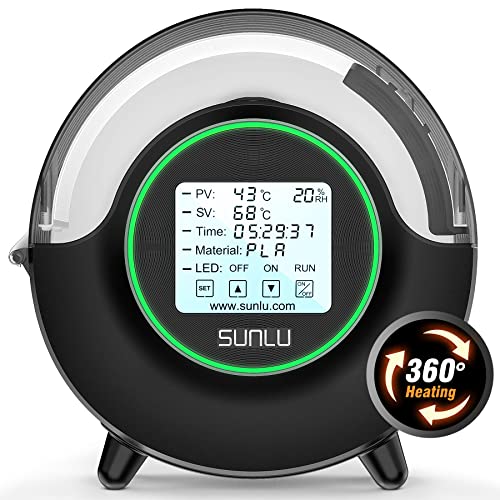
The S2 uses a compact single-spool shell with a top lid, display controls, and filament exit path for print-through use. The format is small enough to live near a desktop printer, which matters more than it sounds. If the dryer is convenient, users are more likely to run a cycle before blaming the slicer.
The body is plastic and appliance-like. It should not be treated as shop rugged, but it is practical for the price tier. The key buying question is whether one spool at a time matches the bench. For a single Bambu A1, Ender, Prusa, or similar desktop setup, it usually does.
The lid and feed path matter because this product is often used during the print, not only before it. A dryer that can sit beside a compact printer and feed cleanly through a tube is more valuable than one that technically dries but forces the spool back into open room air before the job starts.
Performance & Specifications Deep Dive
The S2's 70 C class temperature range covers the common hobbyist materials that trigger dryer purchases: PETG, TPU, PLA+, and many nylons. It is most valuable for repeatable before-and-after testing. Print a small stringing test, dry the same spool, print again without touching the slicer, and the user gets a clearer answer than forum guessing.
Single-spool capacity is a limitation and a strength. It keeps cost and footprint down, but it means the S2 is not a storage station. Buyers with three open PETG colors will outgrow it. Buyers who need one rescue cycle every few weeks will not.
Humidity visibility and print-through routing add confidence. They let the user see whether the chamber is changing and keep a sensitive spool inside the dryer during a long job. That is especially useful for PETG and TPU, where a spool can improve after drying but drift again if it sits in humid room air.
The performance limitation is diagnosis scope. If drying reduces popping, hissing, and fuzzy surfaces, the S2 has done its job. If stringing remains unchanged, the next suspect is temperature, retraction, travel, cooling, or filament quality. A good first dryer should save money by telling the buyer when not to buy more drying gear.
Software & User Experience
The interface is simple enough for a material-based habit: set a cycle, let the spool warm, print from the box if needed, then move the spool to sealed storage. That is the workflow Print Climate should reinforce on the page because it turns the product from a gadget into a repeatable diagnostic tool.
Users should not expect the S2 to identify the material or choose the perfect profile. The product makes moisture easier to control; it does not remove the need to read filament guidance. A strong review should tell buyers to log material, dry time, date, and result on the spool label.
The best habit is a short note, not a long lab notebook. `PETG, dried 6 hours, improved stringing` is enough to make the next decision clearer. If the same spool fails again after sitting open, the buyer now knows the missing product is sealed storage. If it never improved, the missing fix is somewhere else.
Real-World Use Cases
The S2 is strongest for PETG that suddenly strings after a week on an open shelf. It also fits occasional TPU prints where inconsistent extrusion looks like a printer problem but improves after drying. For a first dryer, that direct link between symptom and action is the sale.
It is also a good Bambu A1 or A1 Mini companion because those printers often live on compact desks. A large station can feel mismatched to the printer, while the S2 gives the owner a controlled drying path without rebuilding the whole room.
The weak use case is multi-material production. If a user rotates nylon, PETG-CF, TPU, and several colors weekly, one spool at a time becomes a bottleneck. That buyer should consider the SUNLU S4, a newer multi-spool dryer, or a modular drying and storage system.
A second strong use case is old filament rescue. Old PLA+, open PETG, and inherited spools can all behave like bad printer tuning. The S2 gives those rolls a fair test before the user throws them away or rewrites a profile that was already fine.
Who Should Buy (And Who Shouldn't)
Buy the S2 if this is the first filament dryer, if the main symptom is PETG stringing or popping, or if the printer lives in a normal room with one or two active rolls. It is also a useful giftable upgrade because the buyer does not need to understand a whole storage ecosystem on day one.
Skip it if there are already many active spools, if nylon is printed weekly, or if the bench needs separate material zones. In those cases the S2 still works, but it will feel like a stopgap. Users who only print fresh PLA in a stable room may not need a dryer yet.
The S2 is especially right for buyers who are still uncertain. If the user already knows humidity is the recurring failure, buy the bigger workflow. If the user is still asking whether moisture is real, start here and let one controlled spool answer the question. The product earns its price when it prevents a buyer from purchasing the wrong next accessory.
Alternatives Worth Considering
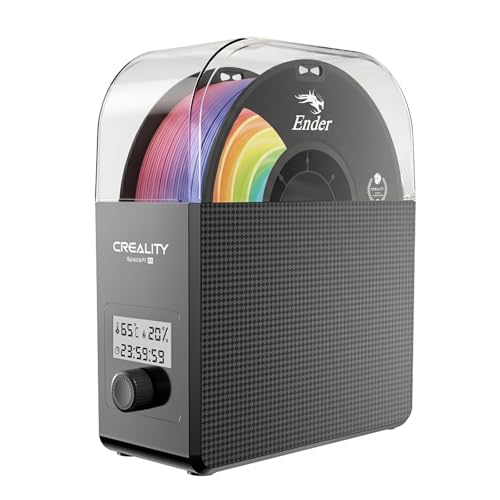
The Creality Filament Dryer Box 2.0 is the value rival and can make sense when the buyer wants the cheapest serious dryer in the stack. The SUNLU S4 is the multi-spool upgrade when several rolls need active control at once.
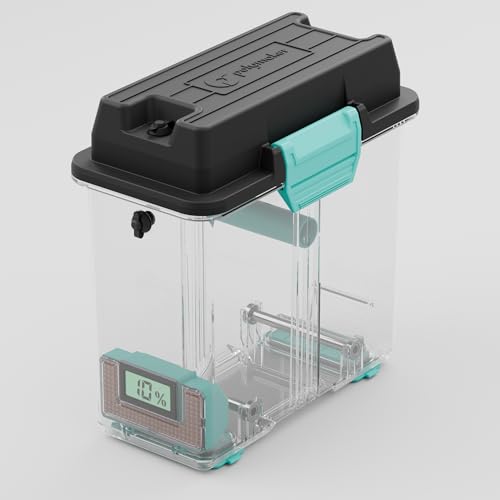
Polymaker PolyDryer is the better choice for users who are more worried about storage discipline than one rescue cycle. Generic dry boxes are cheaper again, but they should be sold as storage, not drying.
If a buyer wants to stay inside Creality's newer dryer lineup, Space Pi and Space Pi Plus deserve consideration, but they need a clean listing, verified current price, and a product image before Print Climate should elevate them. The S2 remains the safer first-dryer recommendation because the role, link, and image are already stable.
Our Verdict
The SUNLU S2 is the most practical first filament dryer for a small Print Climate bench. It gives you a repeatable moisture-control step without forcing a huge workstation change, and it pairs naturally with sealed dry boxes once you have more than two active rolls.
| Full Specifications | |
|---|---|
| Category | Filament dryer |
| Role | Single-spool diagnostic dryer |
| Max Temp | 70C |
| Capacity | 1 spool |
| Active Heat | Yes |
| Active Airflow | Yes |
| Humidity Readout | Yes |
| Print Through | Yes |
| Ventilation | No |
| Resin Workflow | No |
| Abrasive Ready | No |
| Best Materials | PETG, TPU, PLA+ |
| Footprint | Compact bench box |
Frequently Asked Questions
Should I buy the SUNLU S2 before a dry box?
Can I print from the SUNLU S2 while drying?
Is the SUNLU S2 enough for nylon?
What problem does the S2 not solve?
Is the S2 overkill for PLA?
How should I test whether the S2 helped?
Can the S2 stay on the bench all the time?
When should I upgrade from S2 to S4?
Related Buying Guides
Compare With Similar 3D Printer Environment Upgrades

Head-to-Head Comparisons
SUNLU S2 Single-Spool Filament Dryer
$44.99
Prices may change - check current Amazon listing.